
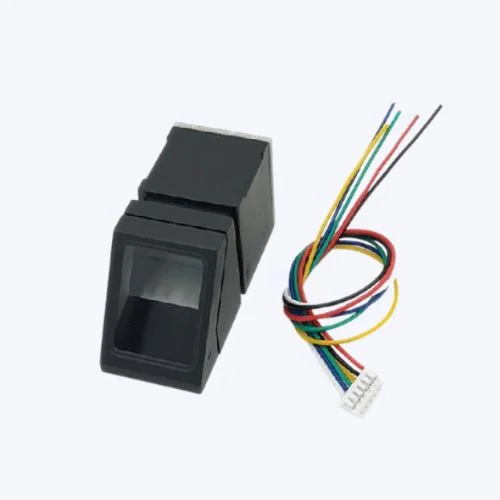
R307S Fingerprint Module
Unlock coding and biosecurity with the R307S Fingerprint Module ; hands‑on sensor fun for future innovators!
+0 points earned
R307S Fingerprint Module – Biomedical Sensor for STEAM Learning
The R307S is a compact, low‑power optical fingerprint sensor designed for hobbyists, educators, and researchers who want to explore biometric identification in real‑world projects. Integrated with a built‑in 8‑bit microcontroller, the module captures high‑resolution (256 × 256 px) fingerprint images, processes them on‑board, and returns a secure 1‑byte match result via UART, SPI, or I²C. Its plug‑and‑play form factor (30 mm × 20 mm) and Arduino/ Raspberry Pi compatible library make it ideal for rapid prototyping of access control, attendance systems, and health‑monitoring wearables.
What students will learn : By working with the R307S, learners gain hands‑on experience in signal acquisition, image preprocessing, template generation, and secure data handling. They’ll write code to enroll, delete, and verify fingerprints, explore error‑rate metrics (FAR/FRR), and integrate the sensor with microcontrollers, cloud databases, or mobile apps, bridging concepts from biology (skin ridge patterns), computer vision, cryptography, and IoT networking.
Key Features
- Optical sensor with 500 dpi resolution and built‑in anti‑spoof detection
- On‑board matching engine (up to 200 stored templates) with 0.1 s verification speed
- UART (9600 bps default), optional SPI/I²C interfaces for flexible MCU integration
- Low power consumption (3.3 V / 30 mA active, < 1 mA standby)
- Easy‑to‑use Arduino library and Python SDK; comprehensive datasheet and example sketches
Why it shines in STEAM education – The R307S turns abstract concepts of biometrics and data security into tangible, interactive projects. It encourages interdisciplinary collaboration: students design hardware circuits (Engineering), write firmware and algorithms (Technology & Math), analyze biometric data (Science), and present findings through demos or dashboards (Art). Its affordability and robust documentation let classrooms build authentic, future‑ready prototypes without costly lab equipment, making it a standout tool for any STEAM curriculum.